
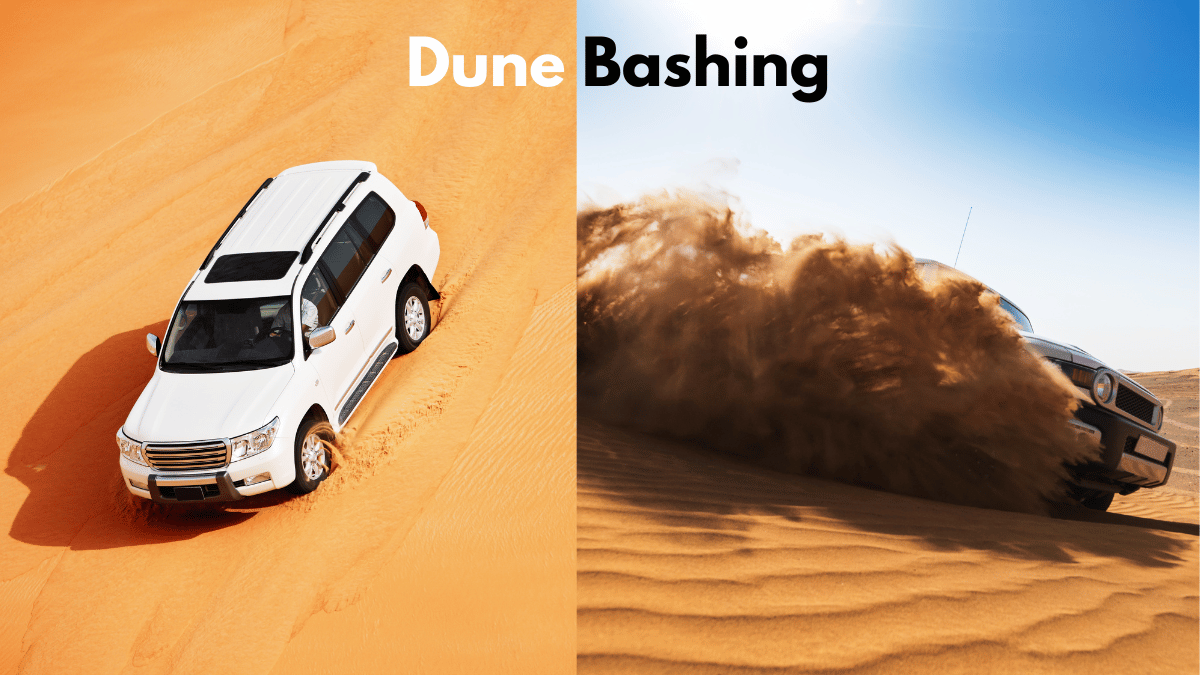
Ever heard of dune bashing? Imagine cruising over endless sandy landscapes, feeling the thrill as your vehicle glides over golden dunes. Dune bashing is an adrenaline-pumping adventure that attracts thrill-seekers from around the globe. But what exactly is it, and why is it so popular?
Dune bashing involves driving a four-wheel-drive vehicle over sand dunes, typically in desert regions. It’s a unique off-road experience that combines skill, excitement, and breathtaking scenery. Whether you’re an adventure enthusiast or a curious beginner, mastering the art of dune bashing can offer you an unforgettable experience.
Preparing for Your Dune Bashing Adventure:
- Choosing the Right Vehicle:
Your dune bashing journey may succeed or fail, depending on the vehicle you choose. Opt for a four-wheel-drive (4WD) vehicle with high ground clearance. Vehicles like the Toyota Land Cruiser, Nissan Patrol, and Jeep Wrangler are popular choices due to their durability and performance in sandy terrains. These vehicles are designed to handle rough off-road conditions, ensuring you have a smoother and safer experience.
The Toyota Land Cruiser is renowned for its powerful engine and robust build, making it an excellent choice for tackling challenging dunes. The Nissan Patrol offers a blend of comfort and capability, providing a smooth ride even on rough terrains. For people who have a strong desire for adventure, the Jeep Wrangler is the ideal vehicle due to its distinctive design and off-road capabilities. Whichever vehicle you choose, make sure it’s well-maintained and suited for desert driving.
- Essential Safety Gear:
Safety should always come first. Make sure your vehicle has key safety items like a first aid kit, fire extinguisher, and seat belts. It’s also smart to bring along a GPS device, satellite phone, and tow rope. These tools can be crucial in emergencies. A first aid kit helps with minor injuries, and a fire extinguisher can stop small fires from turning into big problems.
A GPS device helps you navigate and find your way back if you get lost. A satellite phone ensures you can call for help even in remote areas where mobile signals may be weak or non-existent. A tow rope is essential for pulling your vehicle out if it gets stuck in the sand. Additionally, consider carrying extra fuel, as dune bashing can consume more fuel than regular driving.
- Pre-Drive Vehicle Check:
Before hitting the dunes:
- Conduct a thorough vehicle check.
- Inspect the tyres, ensuring they are properly inflated and in good condition.
- Check the oil, coolant levels, and brakes.
For safe and enjoyable dune bashing, a well-maintained vehicle is necessary. Make sure your tyres are suited for off-road driving, and adjust the tyre pressure to improve traction on the sand. Also read this informative article to know about the budget-friendly fun activities you can do in Dubai.
Inspect your vehicle for any leaks or damages that could be dangerous on your adventure. Make sure all lights and signals are functioning properly, and bring along essential tools and spare parts for minor repairs. Doing a thorough vehicle check can help prevent breakdowns and ensure a smooth and enjoyable dune bashing experience.
Understanding the Basics of Dune Bashing:
- Terrain and Weather Considerations:
The terrain and weather are crucial for dune bashing. Soft sand and steep dunes need different driving techniques. Always check the weather forecast before your trip, as high winds can lower visibility and make conditions dangerous. Avoid dune bashing in wet conditions since it can be very difficult.
Understanding the terrain is crucial. Different types of sand have varying levels of firmness, affecting your vehicle’s performance. Soft, loose sand requires careful maneuvering to avoid getting stuck, while firmer sand provides better traction. Knowing how to read the terrain and adapt your driving technique accordingly will enhance your dune bashing experience.
- Basic Driving Techniques:
Start with the basics: maintaining momentum is key in soft sand. Avoid sudden stops and sharp turns, as they can cause your vehicle to get stuck. Use a lower gear to maintain control and drive at a steady pace. When ascending a dune, build up speed gradually and keep your wheels straight.
Avoid from accelerating too rapidly, as this may result in your tyres spinning and digging into the sand. When going downhill, shift to a lower gear and let gravity help you. Avoid sudden braking, which can make your vehicle slide. Instead, use gentle braking to control your descent. Practice these basic techniques in an open area to gain confidence before taking on more challenging dunes.
- Common Mistakes to Avoid:
Beginners often make the mistake of oversteering or braking too hard. These actions can lead to loss of control or getting stuck. Practice gentle steering and controlled braking to navigate the dunes smoothly. Avoid driving at high speeds, as this increases the risk of accidents and makes it harder to control your vehicle.
Another common mistake is not adjusting tyre pressure. Lowering your tyre pressure increases the tyre’s surface area, providing better traction on the sand. However, be cautious not to deflate the tyres too much, as this can damage the rims. Always carry a tyre gauge and air compressor to adjust tyre pressure as needed.
Advanced Tips and Tricks for Dune Bashing:
- Handling Different Types of Sand:
Not all sand is created equal. Learn to identify and adapt to different types of sand. For instance, fine, powdery sand requires more speed, while coarse, compact sand allows for slower driving. Understanding the characteristics of the sand you’re driving on will help you adjust your technique for better performance.
Fine, loose sand, often found in the middle of dunes, can be tricky to navigate. Increase your speed slightly to maintain momentum and prevent your tyres from sinking. In contrast, coarse, compacted sand, typically found at the base of dunes, offers better traction and allows for more controlled driving. Adapting to these variations will make your dune bashing experience more enjoyable and less stressful.
- Navigating Steep Dunes:
Steep dunes can be intimidating. Approach them head-on rather than at an angle to avoid rolling over. Gradually increase your speed as you ascend and reduce it as you descend to maintain control. When climbing a steep dune, try not to stop halfway, as this can make your vehicle lose traction and slide backward. If you need to turn:
- Do so gently and gradually to maintain stability.
- When descending, keep your wheels straight and use engine braking to control your speed.
- Avoid using the brakes excessively, as this can cause your vehicle to skid.
- Practice navigating smaller dunes before attempting larger ones to build your confidence and skills.
- Recovery Techniques:
Even experienced drivers get stuck sometimes. Knowing how to recover your vehicle is essential. Lower your tyre pressure to increase traction, and use a shovel to clear the sand away from the tyres. A recovery board can also help provide a solid surface for your tyres to grip. If you’re with a group, use a tow rope to pull the stuck vehicle out.
When using a tow rope, ensure it’s securely attached to both vehicles and use a gradual, steady pull to avoid sudden jerks. If you’re alone, use your recovery boards to create a stable path for your tyres. Rocking the vehicle back and forth can also help gain traction. Practice these recovery techniques to handle any situation confidently.
Safety Precautions and Best Practices:
- Staying Hydrated and Prepared:
Desert environments can be tough. To stay hydrated and focused, always pack a sufficient amount of water and food. To avoid the sun, put on a hat, sunglasses, and sunscreen. Dehydration and heatstroke are serious risks, so take regular breaks and drink water often.
Pack enough food and water for your trip, plus extra for emergencies. Avoid alcohol and caffeine, as they can make you more dehydrated. Wear lightweight, breathable clothes to stay cool and protect your skin from the sun. By staying prepared, you can enjoy your dune bashing adventure safely and comfortably.
- Emergency Procedures:
In case of an emergency, stay calm and assess the situation. Use your GPS device to signal for help and provide your exact location. Having a satellite phone ensures you can communicate even in remote areas. If your vehicle breaks down, stay with it rather than wandering off. Your vehicle provides shelter and is easier to spot than a person on foot.
If you’re with a group, ensure everyone knows the emergency procedures and has access to communication devices. Familiarize yourself with basic first aid techniques and carry a well-stocked first aid kit. Being prepared for emergencies helps prevent fatalities and reduce the effects of unexpected events.
- Importance of Professional Guidance:
If you’re new to dune bashing, consider joining a guided tour. Professional guides offer valuable insights and ensure your safety while you learn the ropes. Guided tours provide a structured environment where you can learn from experienced drivers and explore the dunes safely.
Professional guides know the safest routes and can help you steer clear of dangerous areas. They also offer useful tips and tricks to enhance your driving skills. Starting with a guided tour can give you the confidence and knowledge you need to enjoy dune bashing on your own.
Conclusion:
Dune bashing is an exhilarating activity that offers adventure and fun in equal measure. With the right preparation, vehicle, and knowledge, you can safely enjoy this unique off-road experience. So, gear up, follow these tips, and embrace the thrill of mastering the art of dune bashing. Remember, practice makes perfect, and each trip will make you more confident and skilled. Enjoy the ride and the stunning beauty of the desert landscapes.
FAQs:
- What type of vehicle is best for dune bashing?
A four-wheel-drive (4WD) vehicle with high ground clearance, such as a Toyota Land Cruiser, Nissan Patrol, or Jeep Wrangler, is ideal for dune bashing. - Is dune bashing safe for beginners?
Yes, with proper preparation, safety gear, and guidance, beginners can safely enjoy dune bashing. - What should I bring on a dune bashing trip?
Essential items include a first aid kit, fire extinguisher, GPS device, satellite phone, tow rope, plenty of water, snacks, sunscreen, sunglasses, and a hat. - Can I go dune-bashing alone?
It’s recommended to go with a group or join a guided tour, especially if you’re a beginner, to ensure safety and assistance if needed. - How can I improve my dune bashing skills?
Practice regularly, learn from experienced drivers, and consider taking professional lessons or guided tours to enhance your skills.